She was there in the same place for two days.
People had seen her. Shopkeepers, passersby, daily commuters — everyone noticed that something was wrong. She was sitting in one corner, not moving much, not eating, not reacting to the surroundings.
Some assumed she would get up on her own.
Some thought someone else would help.
But no one stayed long enough to make a difference.
By the time the information reached us, her condition had already worsened. When our team arrived, she was weak, dehydrated, and struggling even to lift her head properly.
She was not just injured. She was exhausted from waiting.
The Weight of Delay
Every hour matters in such situations.
What could have been treated earlier had now become more serious. Her wounds had started worsening, and her body had lost strength due to lack of food and water.
She was not aggressive, not scared — just tired.
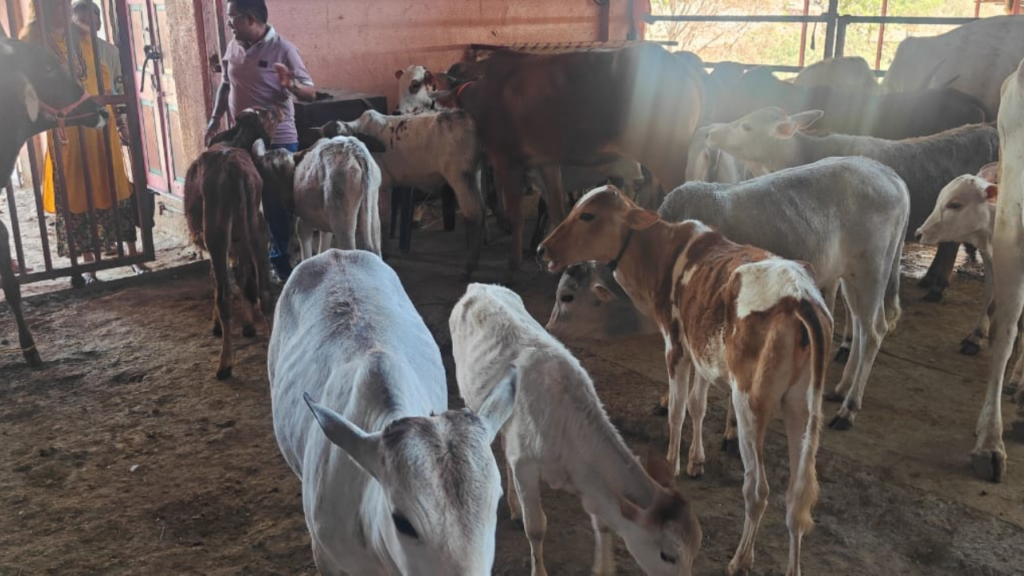
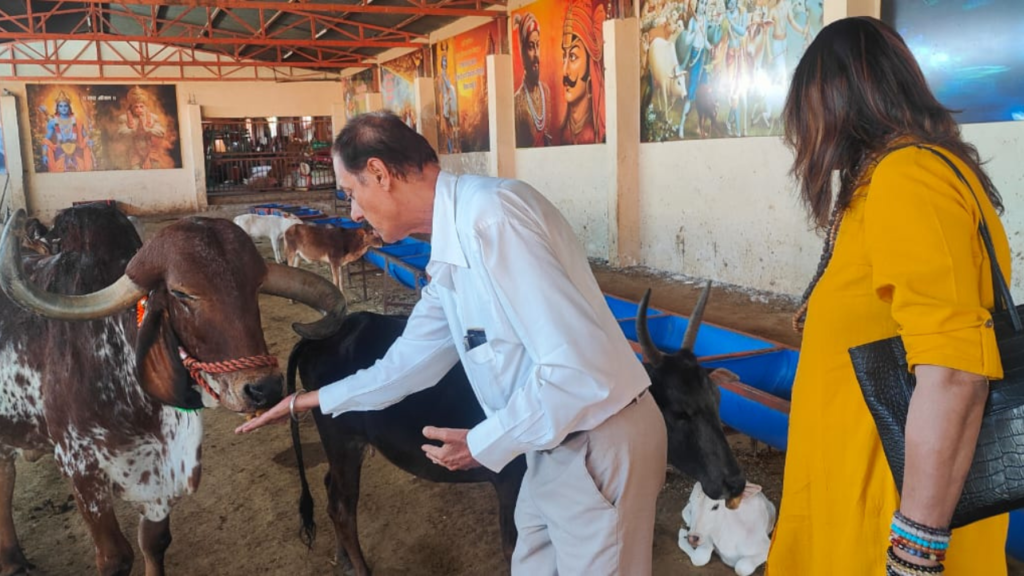
Rescuing her required careful handling. Her body could not take sudden movement. She was gently lifted and brought to Surabhi Gaushala, where immediate attention was given.
This is what delay does.
It does not just increase pain. It reduces chances.
Care That Rebuilds Slowly
Once inside the gaushala, her treatment began step by step. There was no rush, no force — only steady care.
Her wounds were cleaned and treated regularly, medicines were given on time, and her hydration was restored slowly. Soft food was offered carefully, allowing her body to adjust without pressure. Along with treatment, her space was kept quiet and clean so she could rest without stress.
This phase required patience more than anything else.
Because recovery does not respond to urgency — it responds to consistency.
The First Response
After days of care, a small but important change appeared.
She began to respond.
She lifted her head more often. She started looking around. Slowly, she began accepting food without hesitation. These changes were not dramatic, but they showed that her body was beginning to regain strength.
With time, she tried to move.
Each step was slow, but it carried meaning.
Because movement meant recovery had started.
A Different Life Now
Today, she is no longer sitting helpless in a corner.
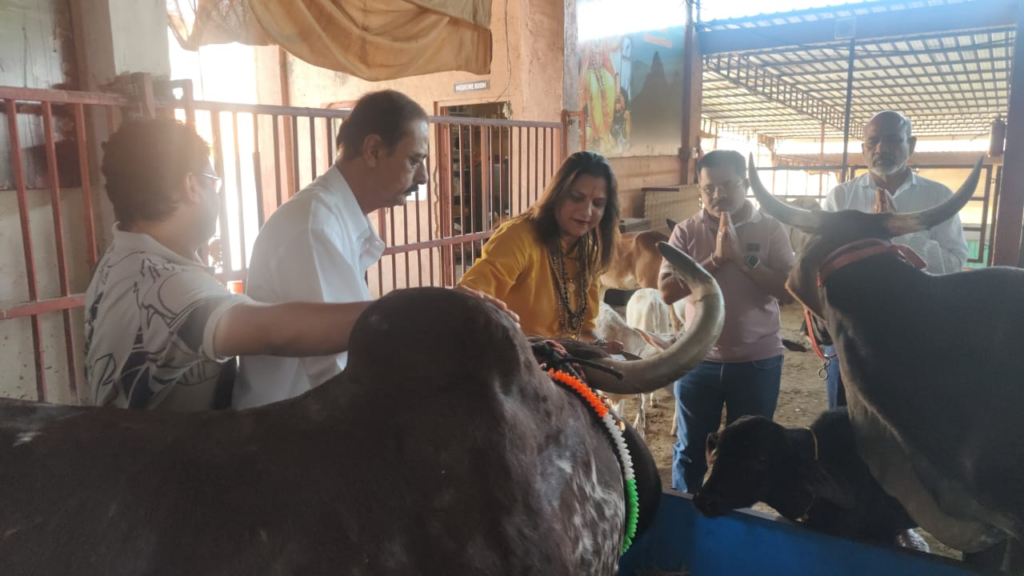
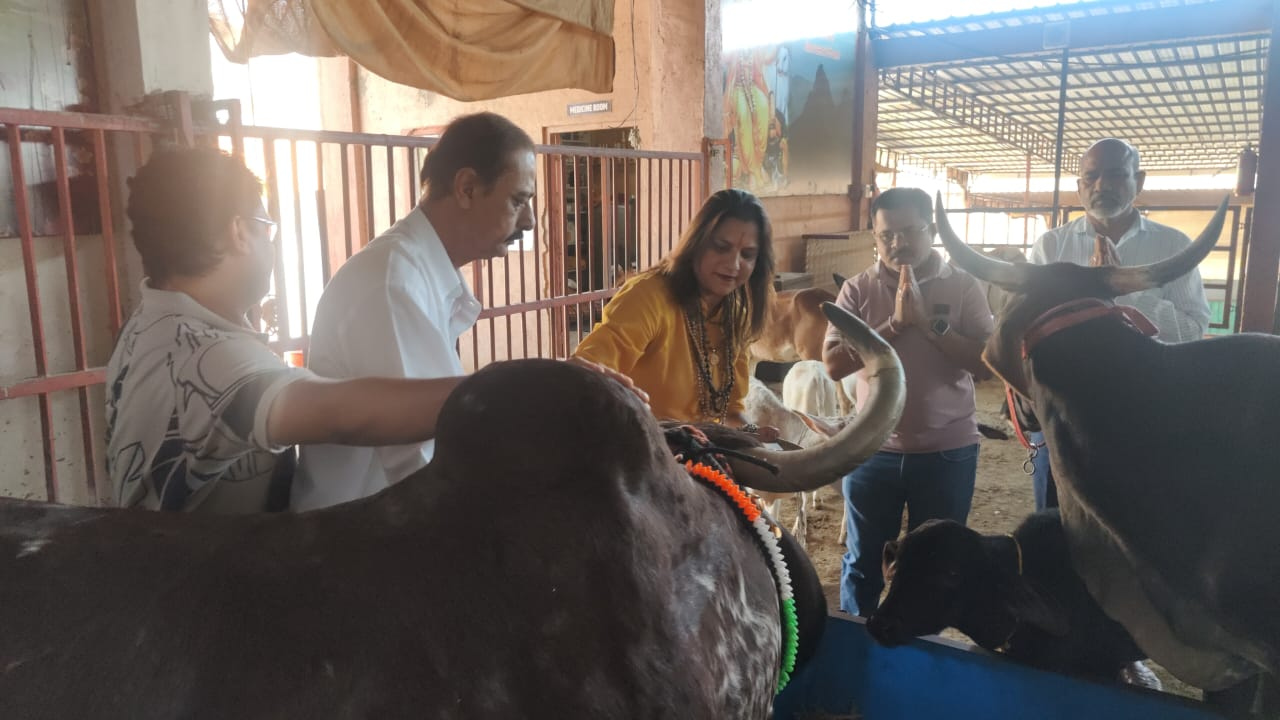
She walks within the shelter, eats properly, and rests without fear. The same life that once waited for help now lives in a place where care is constant.
Her journey is still ongoing, but she is no longer alone in it.
That is what changed everything.
What We Often Miss
Her story is not rare.
- Many cows are seen but not helped
- People assume someone else will act
- Delay increases suffering silently
- Small actions, when taken early, can save lives
The difference between life and loss is often not resources — it is response.
“Pain becomes silent when no one listens — care begins when someone finally does.”