She was lying near the roadside, surrounded by movement but untouched by help. Vehicles passed, people slowed down for a moment, looked, and moved ahead. No one stayed long enough to change anything. By the time our team reached, her body had already given up trying to rise. There were wounds, but more than that, there was a visible exhaustion — the kind that comes when suffering is ignored for too long. She did not react when we came closer, not because she was calm, but because she had no strength left to respond. In that moment, it was clear that if she remained there any longer, her story would quietly end without anyone even noticing.
The First Few Days
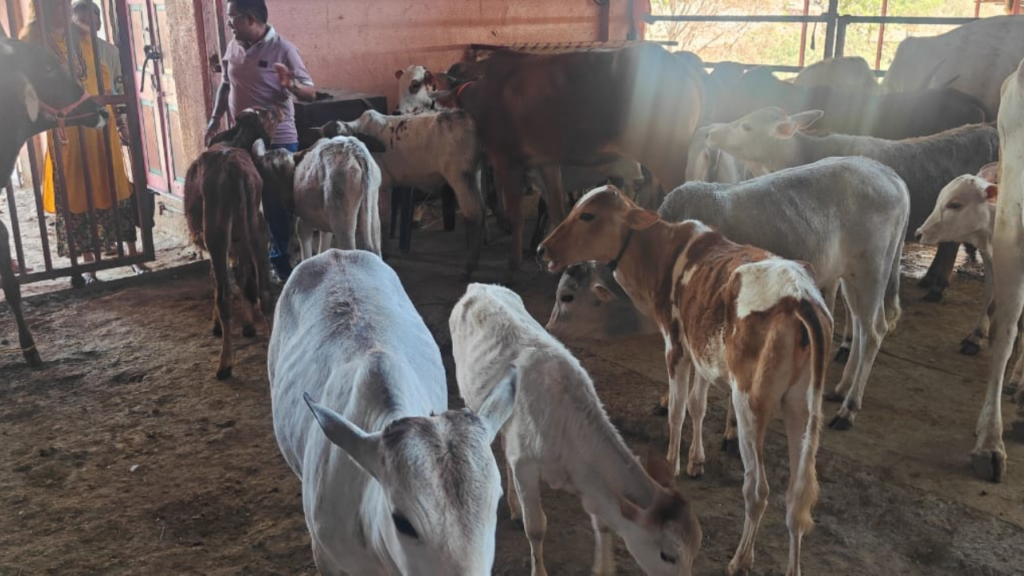
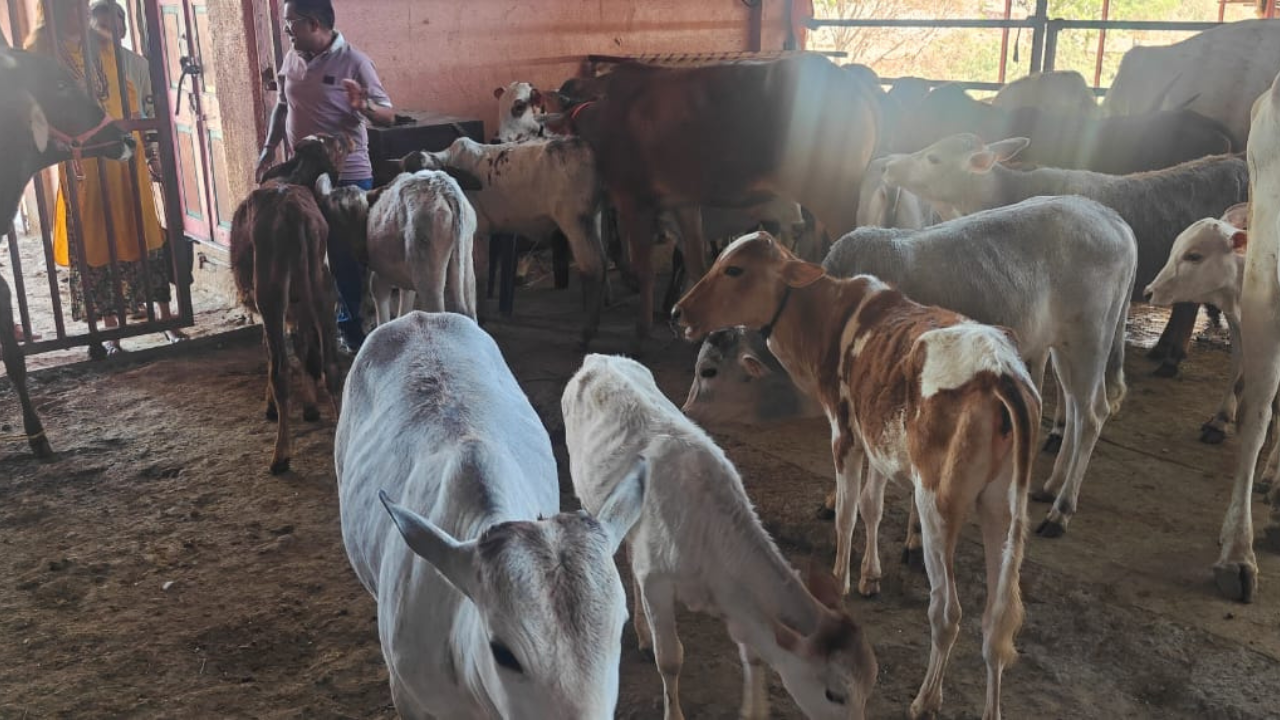
Bringing her to the gaushala was only the beginning. The real effort started after that. Her body was weak, she refused food, and even water had to be given slowly and carefully. There was no immediate improvement and no sign that things would change quickly. Still, the care continued without interruption. Her wounds were cleaned regularly, medicines were given on time, soft food was offered again and again, and her body was supported to prevent further strain. Every small step was repeated with patience, even when there was no visible progress. This phase demanded consistency, because recovery does not begin with visible change, it begins with staying present even when nothing seems to move forward.
A Moment That Changed Everything
Days passed in uncertainty until one morning something shifted. She tried to move. It was a small effort, almost easy to miss, but it carried meaning. It showed that her body had not given up. From that moment, the approach slowly moved ahead. With gentle support, she began trying to sit. Strength was built gradually through nutrition and continued care. And then, one day, she stood. Not strong, not steady, but enough to hold herself. That moment did not need celebration, because everyone around understood its value. A life that was once completely still had found the strength to rise again.
What Her Story Teaches
Her journey reflects a simple but important truth. Injured cows are often left without timely help, and with every passing hour, their chances of survival reduce. But when care reaches on time and continues without break, recovery becomes possible. It is not instant, it is not easy, but it happens. A safe space, regular treatment, and consistent human presence slowly rebuild what was lost. What may look like a small improvement from the outside is often the result of days of quiet, continuous effort that no one sees.
“A life does not need miracles to survive — it needs someone who does not walk away.”